Head Counts and Sale Records That Stay Current
Livestock Records in Monroe City for cattle and hog producers needing accurate purchase and sale tracking across auction cycles
Birthing seasons and auction cycles in the Paris and Marion County area create ongoing documentation needs that many cattle and hog producers track inconsistently or lose entirely by year end. Livestock Records from A&D Bookkeeping keeps head-count reconciliation and individual animal acquisition costs current so you know exactly what's on the ground and what each animal cost to bring to sale weight. This work focuses on tracking purchase dates, weight gain records, veterinary costs, and sale proceeds for every animal so your cost basis stays accurate and audit-ready at any point in the year.
The service involves recording each animal purchase with acquisition cost and initial weight, updating records as calves are born or feeder animals are brought in, and tracking sale proceeds alongside final weight so cost-per-pound calculations stay accurate for each group sold. Northeast Missouri cattle operations often run cow-calf pairs and backgrounding operations simultaneously, which means separating breeding stock expenses from feeder cattle costs and keeping those categories distinct for Schedule F reporting.
Arrange a free consultation to review how your current livestock documentation compares to what lenders or preparers actually need.
Why Head-Count Reconciliation Matters Long-Term
Accurate livestock records depend on reconciling head counts regularly so the number of animals on your books matches what's actually in the pasture or feedlot, which means accounting for births, deaths, purchases, and sales as they happen rather than reconstructing months of activity from memory at year end. Each animal's acquisition cost gets tracked individually so when you sell a group of feeder calves or market hogs, the cost basis calculation reflects what you actually paid to raise them rather than a rough average that overstates or understates profit.
Once this system is working, you'll find clean reports rather than guessing at how many head you sold and what they cost, loan applications include accurate livestock inventory values that match your actual operation, and you can make culling or purchasing decisions based on real per-head costs rather than rough estimates. A&D Bookkeeping is QuickBooks certified and locally based in Monroe City, which means the firm understands the seasonal patterns affecting livestock production along the Salt River bottom and Marion County farmland.
This service captures individual animal data including purchase price, weight at acquisition, veterinary and feed costs, and final sale proceeds, then organizes that information into reports that support Schedule F tax preparation and cost-of-production analysis. It does not include herd health management or feeding schedules, which remain your responsibility as the operator.
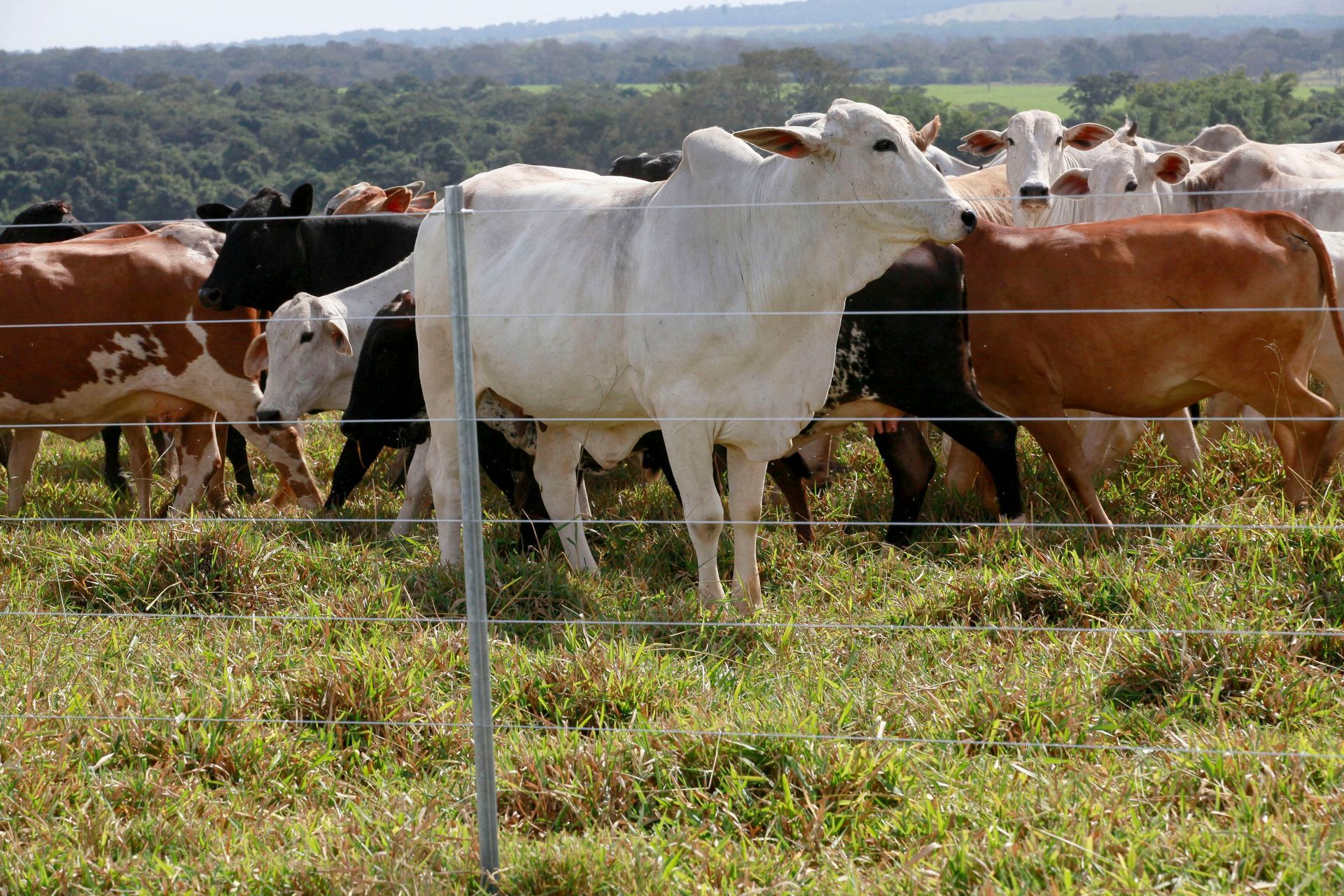
Cattle and hog producers across northeast Missouri ask similar questions about managing livestock records before committing to a formal tracking system, especially when they've been relying on handwritten notes or memory to reconstruct sales at tax time.
What information needs tracking for each animal or lot?
You need the acquisition date and cost, initial weight if known, any veterinary or medication expenses tied to that animal or group, and the sale date with final weight and proceeds when the animal leaves your operation. Tracking this level of detail supports accurate cost-basis reporting and lets you calculate cost per pound of gain for each group you sell.
How does livestock record tracking help at tax time?
Your tax preparer needs to know how many head you sold, what you originally paid for them or what it cost to raise them, and what you received at sale so Schedule F income and cost of livestock sold can be calculated accurately. Clean records mean your preparer spends less time reconstructing transactions and more time finding deductions you're entitled to claim.
What happens if I didn't track individual animals in previous years?
The system starts with current inventory and builds forward, tracking every purchase, birth, death, and sale from that point on so you finish the year with complete records even if prior years were managed informally. Many operations in Monroe City and the surrounding area have years of incomplete livestock documentation that gets organized once a consistent tracking method is in place.
How often do records need updating during birthing or auction season?
Updates should happen as transactions occur so head counts stay accurate and acquisition costs get recorded before receipts are lost, though monthly reconciliation works for most operations as long as purchases and sales are documented when they happen. A&D Bookkeeping adapts to your seasonal schedule rather than imposing rigid deadlines that don't fit livestock production cycles.
What proof do I need to support the records?
Keep purchase receipts, auction sale sheets, veterinary invoices, and any documentation showing what you paid or received for each animal or lot. Those documents back up the records if you're ever audited and provide the detail needed to calculate accurate cost basis for tax reporting.
Questions Livestock Producers Often Ask
A&D Bookkeeping is woman owned, locally operated, and brings fifteen years of ag-specific financial experience to livestock producers who need organized, audit-ready records without adding another full-time task to their workload. Schedule a free consultation to review your current livestock documentation and discuss what a complete tracking system would look like for your operation.